Digital Business Card: A Complete Guide for Modern Professionals and Businesses
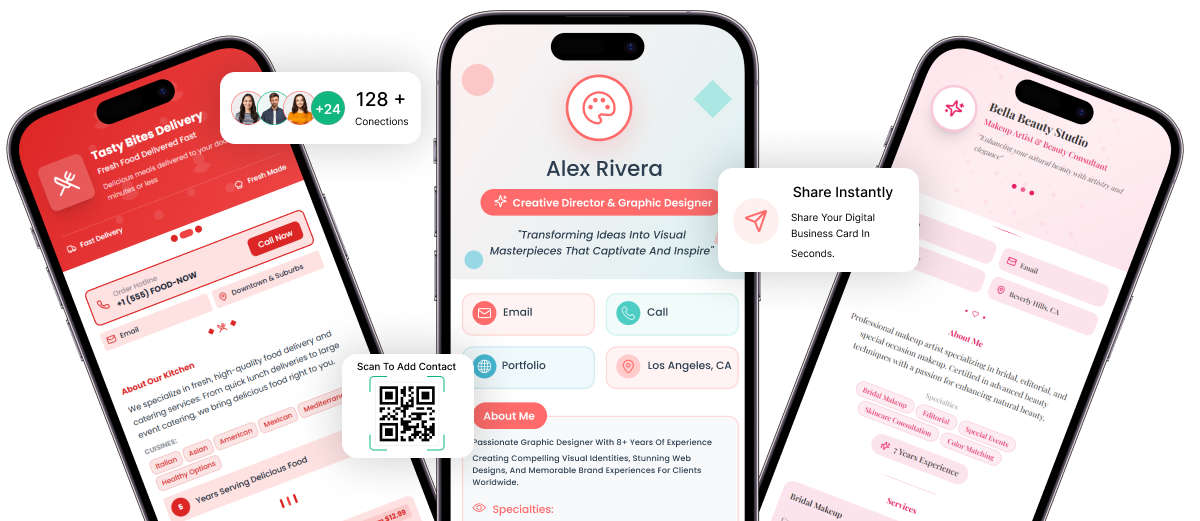
A business card is often the first piece of information people receive after meeting a professional. But traditional cards have one major limitation: once they are printed, the information cannot easily change. A digital business card solves that problem by creating an interactive online profile that can be shared through a link, QR code, NFC, or other digital channels.
Instead of providing only a name, phone number, and email address, a modern digital card can connect people with your website, social media profiles, services, portfolio, appointment options, and other important information. This makes it useful for entrepreneurs, sales professionals, freelancers, consultants, agencies, and businesses of all sizes.
With the right digital business card templates, professionals can create a polished online identity without designing everything from scratch.
What Is a Digital Business Card?
A digital business card is an online version of a traditional business card. Instead of being printed on paper, it exists as a digital profile that can be opened from a smartphone, tablet, or computer.
A typical digital card may include:
- Full name and job title
- Company name and logo
- Phone number
- Email address
- Business website
- Social media profiles
- Services and products
- Portfolio or project links
- Business location
- Appointment booking options
- QR code
- NFC sharing
The key difference is that digital information is interactive. Someone viewing your profile can tap a button to call you, send an email, visit your website, or connect with you on social media.
Why Are Digital Business Cards Becoming Important?
Professional networking has changed significantly. People now rely heavily on smartphones and online platforms to communicate, research businesses, and maintain professional relationships.
A printed business card can provide basic contact information, but a digital card can create a direct connection between a person and their entire online presence.
For example, imagine meeting a potential client at a conference. Instead of handing over a card that contains only your phone number and website, you can share a digital profile containing your services, portfolio, LinkedIn profile, appointment calendar, and contact information.
The recipient can explore your professional information immediately.
Digital Business Card vs. Traditional Business Card
Traditional business cards are still useful, particularly when physical materials are appropriate. However, digital cards provide several advantages that printed cards cannot easily offer.
| Traditional Business Card | Digital Business Card |
|---|---|
| Printed on paper | Available online |
| Information is static | Information can be updated |
| Limited space | Can include multiple sections and links |
| Requires physical exchange | Can be shared remotely |
| No built-in engagement information | Can provide analytics |
| Requires reprinting for major changes | Information can be changed digitally |
The biggest advantage isn't necessarily replacing paper completely. It is having an additional networking option that works across both physical and digital environments.
What Should You Look for in a Digital Business Card Maker?
Choosing a digital card platform requires more than looking at attractive designs. The platform should make it easy to create, manage, share, and update your professional profile.
1. Professional Templates
A good template provides a strong starting point for your card. Different professionals have different branding requirements, so having multiple layouts can help you choose a design that fits your industry.
A consultant may prefer a clean corporate layout, while a photographer or designer may want a more visual profile.
WorkDo provides a range of professional digital card designs that can be customized according to different branding requirements.
2. Easy Customization
Your digital card should reflect your identity rather than look like a generic profile.
Look for customization options such as:
- Logo placement
- Brand colors
- Fonts
- Images
- Profile layout
- Buttons
- Social links
- Contact sections
Consistent branding is particularly important for businesses with multiple employees because every team member can maintain a recognizable company identity.
3. Mobile-Friendly Design
Most people will probably open your digital card from a smartphone. Therefore, mobile usability should be one of the first things you consider.
The profile should load properly, text should remain readable, buttons should be easy to tap, and important contact information should be immediately visible.
A responsive digital profile builder can make it easier to create cards that work across smartphones, tablets, and desktop devices.
QR Codes Make Digital Networking Easier
QR codes have become one of the simplest ways to connect physical and digital experiences.
A business can display a QR code on:
- Printed business cards
- Brochures
- Posters
- Exhibition booths
- Product packaging
- Presentations
- Office displays
- Marketing materials
Someone simply scans the code and opens the digital profile.
This is especially useful at conferences and networking events because the interaction can happen in seconds.
NFC Business Cards for Contactless Sharing
NFC provides another convenient method for sharing professional information.
With an NFC-enabled card, a compatible smartphone can access a digital profile through a simple tap.
The experience can be reduced to three steps:
- Tap the NFC card.
- Open the digital profile.
- Save the contact information.
This makes NFC particularly useful for sales representatives, business owners, consultants, and professionals who attend networking events regularly.
Businesses interested in this technology can explore NFC business card solutions as another way to make professional contact sharing faster and more convenient.
Use Your Digital Card as a Professional Profile
A digital business card doesn't need to stop at basic contact information.
Think of it as a compact professional profile.
For example, a web developer could include:
- Development services
- Portfolio projects
- GitHub profile
- LinkedIn profile
- Website
- Contact information
A consultant could include:
- Areas of expertise
- Case studies
- Services
- Appointment booking
- Website
- Contact details
A real estate professional could include:
- Property listings
- Phone number
- WhatsApp contact
- Social profiles
- Location
- Appointment options
The goal is to give visitors enough information to understand what you do and decide what they should do next.
Digital Business Cards for Companies and Teams
Digital cards become even more useful when an entire organization adopts them.
Imagine a company with twenty sales representatives. Each employee can have an individual profile while maintaining the company's branding.
Every card can include:
- Employee name
- Job title
- Company logo
- Contact details
- Company website
- Social profiles
- Services
- Appointment links
This creates a consistent experience across the team.
It also makes employee information easier to update. When an employee changes their role or contact details, the digital profile can be updated without requiring a new batch of printed cards.
Digital Cards Can Support Lead Generation
One of the biggest opportunities with digital networking is turning a simple contact exchange into a potential business interaction.
A traditional card usually gives someone information and leaves the next step entirely to them.
A digital card can provide a clearer path:
Meeting → Digital Profile → Service Information → Contact → Lead
Your profile could include a contact form, website, appointment booking button, portfolio, or service page.
This means the person you meet doesn't have to search for your business after the conversation.
The information is already available.
Use Digital Cards for Appointment Booking
Some professionals don't simply want people to save their contact details. They want potential customers to schedule a conversation.
This is particularly relevant for:
- Consultants
- Coaches
- Real estate agents
- Marketing professionals
- Financial professionals
- Freelancers
- Service providers
Instead of exchanging a number and continuing the conversation later, a digital profile can direct the visitor straight to an appointment option.
This removes unnecessary steps from the customer journey.
Connect Social Media and Websites
Your professional identity rarely exists on one platform.
You may have a company website, LinkedIn profile, Instagram account, YouTube channel, portfolio, online store, or other digital presence.
A digital business card can bring these destinations together.
However, avoid adding every possible link. Select the platforms that are genuinely useful to your audience.
A professional card should answer three questions quickly:
- Who are you?
- What do you do?
- How can someone contact or learn more about you?
Digital Business Cards and Personal Branding
Personal branding is increasingly important for professionals who want to build credibility online.
A digital business card can become another part of that personal brand.
Your profile should use visual elements that match your broader identity, including your logo, colors, professional image, typography, and tone.
When someone visits your card after meeting you, the experience should feel connected to your website and other professional platforms.
Consistency builds recognition.
Analytics Can Reveal How People Interact With Your Card
A printed business card provides almost no information about what happens after it is handed to someone.
Digital cards can provide a different experience when analytics are available.
Depending on the platform, businesses may be able to understand metrics such as:
- Profile views
- Visitor activity
- Link interactions
- Device information
- Contact engagement
This information can help professionals improve their profiles.
For example, if many people view the card but very few click the contact button, the call to action may need improvement.
If visitors frequently click a portfolio link, that link may deserve greater visibility.
Digital Business Cards for Different Industries
Real Estate
Real estate professionals can use digital cards to connect contact details with property listings, social profiles, websites, and appointment options.
Marketing Agencies
Agencies can showcase services, portfolios, websites, social media accounts, and contact options from one professional profile.
Consulting
Consultants can connect their expertise, case studies, appointment scheduling, website, and contact information.
Healthcare
Healthcare professionals can provide contact information, clinic details, websites, locations, and appointment options.
Freelancers
Freelancers can combine portfolios, services, social profiles, contact information, and professional websites in one place.
Sales Teams
Sales representatives can share their contact information immediately during meetings, trade shows, conferences, and customer visits.
How to Create an Effective Digital Business Card
Creating a digital card is simple, but making it effective requires some planning.
Step 1: Select the Right Design
Choose a layout that matches your profession and brand. Avoid selecting a design only because it looks attractive; make sure it also presents information clearly.
Step 2: Add Essential Information
Start with your name, job title, company, phone number, email address, and website.
Step 3: Add Relevant Links
Include important social profiles, portfolio pages, service pages, or appointment links.
Step 4: Apply Your Branding
Use your company logo, brand colors, imagery, and typography to create a consistent visual identity.
Step 5: Choose Your Sharing Method
Decide whether you will share your card through a direct link, QR code, NFC, email, social media, or messaging platforms.
Step 6: Test Everything
Open the profile on different mobile devices and test every button before sharing it publicly.
Check phone links, email links, social profiles, website URLs, QR codes, and appointment buttons.
Best Practices for a Professional Digital Business Card
A good digital card should be simple, useful, and easy to navigate.
- Keep the design clean: Avoid unnecessary visual elements.
- Prioritize important information: Make your name, role, and contact options easy to find.
- Use consistent branding: Match your website and other business materials.
- Choose relevant links: Don't overwhelm visitors with unnecessary destinations.
- Use a clear call to action: Tell visitors what you want them to do.
- Keep information updated: Remove outdated phone numbers and broken links.
- Test the mobile experience: Make sure the profile works smoothly on smartphones.
- Review analytics: Use available engagement information to improve the card.
Why a Digital Business Card Can Be a Better Long-Term Networking Tool
The biggest advantage of a digital business card is flexibility.
Your professional information can change over time. You may change jobs, launch a new service, update your website, add a new social platform, or change your branding.
A printed card cannot easily adapt to these changes.
A digital profile can.
That makes digital cards particularly valuable for professionals and businesses that want their networking information to remain current without constantly redesigning and reprinting physical materials.
Final Thoughts
The purpose of a business card has always been simple: make it easy for someone to remember you and contact you later.
Digital technology expands that idea.
A modern digital business card can connect your contact information with your website, social media profiles, services, portfolio, appointment options, QR code, NFC sharing, and other professional resources.
For businesses, it can also become part of a broader branding and lead-generation strategy.
For individual professionals, it provides a simple way to maintain a professional digital identity that can be shared almost anywhere.
Whether you're an entrepreneur, freelancer, salesperson, consultant, agency, or growing company, the right digital business card solution can make networking more convenient while giving people a direct path to your online presence.
The future of networking isn't necessarily about abandoning traditional business cards. It's about making professional connections more accessible, interactive, measurable, and easier to maintain.
And that is what makes the digital business card more than just a modern version of a printed card—it can become a small but powerful part of your digital business identity.
Meta Information
Meta Title: Digital Business Card: Complete Guide for Businesses
Meta Description: Learn how digital business cards help professionals and businesses improve networking, branding, lead generation, QR sharing, NFC, and online identity.
Tags: Digital Business Card, Business Networking, Digital Branding